Platform comparison
| Platform | YES odds | NO odds | Fee | KYC | Settlement | |
|---|---|---|---|---|---|---|
PolyGram Pick polygram.ink |
2% | 98% | 0% (USDC on-chain) | No-KYC up to $1,500 | USDC, auto via UMA oracle | Open on PolyGram → |
Polymarket polymarket.com |
2% | 98% | 0% | Geo-blocked in US/UK/EU | USDC, on-chain | Open on PolyGram → |
Kalshi kalshi.com |
— | — | Up to 7% per trade | US-only, KYC required | USD | Open on PolyGram → |
Betfair Exchange betfair.com |
— | — | 2-5% commission | Full KYC from first trade | GBP / EUR | Open on PolyGram → |
Manifold Markets manifold.markets |
— | — | Play-money (mana) | None — play-money | Mana (no cash-out) | Open on PolyGram → |
Live odds for Polymarket-based markets come from the Polygon order book. Non-Polymarket venues show attributes only; clicking any row opens the market on PolyGram.
Market context
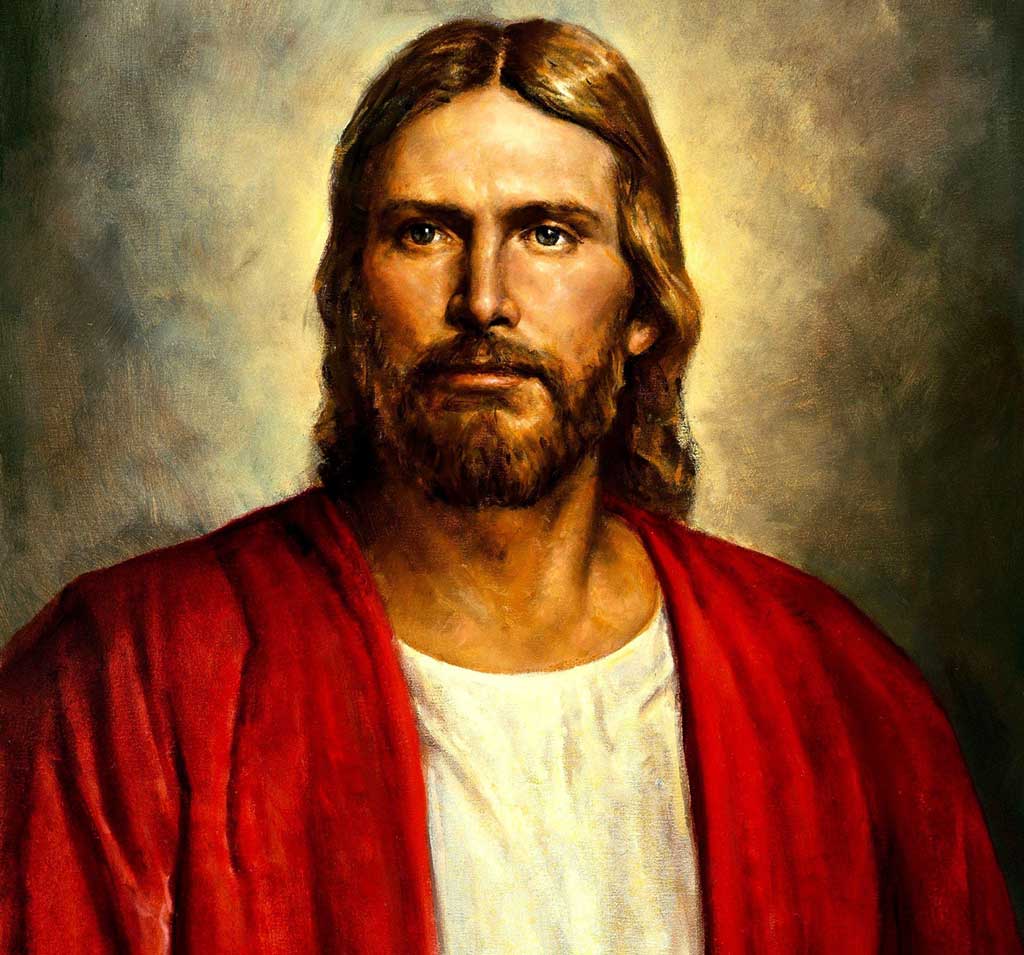
The underlying event is whether a visible, global return of Jesus Christ to Earth occurs before the end of 2026, a phenomenon distinct from symbolic or spiritual interpretations. Current crowd-implied probability sits at just 2% for "Yes," reflecting the overwhelming consensus that such a literal, physical manifestation has not been historically documented in the modern era.
Historically, comparable cases frame how to read this low probability: some Preterist theologians argue the Second Coming was fulfilled typologically during the destruction of Jerusalem in AD 70, viewing Roman armies as the visible instruments of Christ’s judicial return [1][2]. However, mainstream Christian eschatology, including the Gospel Coalition and Adventist beliefs, maintains the Second Coming is a future, visible, and final event that requires specific precursors like the preaching of the gospel to all nations and the rise of the Antichrist [4][5]. The absence of these definitive signs in the current geopolitical landscape reinforces the market’s 2% valuation, as no credible consensus has emerged to suggest the timeline has accelerated.
Traders should monitor announcements regarding global religious unity, particularly any movement toward "all Israel" recognising Jesus, which some doctrines cite as a necessary trigger for the event [4]. Key catalysts include sudden escalations in international conflict or wars, which Book of Mormon prophecies link as signs preceding the return [3], alongside any unexpected declarations from major religious bodies regarding the end times. Recent theological discourse continues to emphasise that delay allows for repentance, suggesting no imminent shift in probability without a radical, unforeseen geopolitical or religious catalyst [5].
From a regulatory perspective, German GlüStV implications and US CFTC reach define the market’s legal boundaries, while the "no-KYC up to $1,500" threshold significantly enhances accessibility for retail participants in jurisdictions with strict identity verification laws. This specific market remains accessible to a broader audience precisely because it operates within these defined regulatory frameworks, allowing traders to engage without immediate personal data disclosure for smaller stakes.
Methodology
We track Will Jesus Christ return before 2027? on the five venues with material liquidity for prediction markets. Live odds come from the Polymarket Polygon order book — the only source that ships real-time data under an open licence. For Kalshi, Betfair and Manifold we list platform attributes (fee, KYC, settlement, payment) instead of fabricated odds, because their APIs use non-comparable contract definitions.
Resolution & payout
Settlement runs on-chain. Polymarket's contract logic separates YES and NO shares as conditional tokens; at resolution the winning share lifts to $1.00 and the losing one to $0. The outcome input comes from the UMA Optimistic Oracle, which secures against bad resolution with a bond + dispute window.
Once finalised, the smart contract pays USDC to the holders' wallets within minutes — no withdrawal fees beyond Polygon network gas. Kalshi settles in USD via CFTC clearance, Betfair in account currency net of commission, Manifold in play-money mana with no cash-out.
FAQ
- Is this market available outside the US?
- PolyGram is available in most jurisdictions where Polymarket isn't directly accessible. Polymarket itself is geo-blocked in the US/UK/EU. Always check local regulations.
- How does resolution work?
- Through the UMA Optimistic Oracle on Polygon: a proposer submits the outcome, a two-hour challenge window opens, and USDC payouts settle automatically once the result is final.
- What's the difference between YES and NO shares?
- A YES share pays $1.00 if the event happens, $0 otherwise. A NO share pays $1.00 if the event doesn't happen. The market price between 0¢ and 100¢ is the implied probability.
- How fast are USDC deposits?
- Polygon credits deposits after 12 confirmations — usually under 30 seconds. Withdrawals follow the same path and land back in your wallet within minutes.
- How reliable are the quoted odds?
- The YES/NO percentages are the live mid-prices of the Polymarket order book. On deep markets they move every few seconds; on thinner ones you'll see short plateaus.
%22%2F%3E%3Cpath%20d%3D%22M%206%2066%20A%2026%2026%200%200%201%2058%2066%22%20fill%3D%22%23E6B98D%22%20opacity%3D%220.9%22%2F%3E%3Ccircle%20cx%3D%2232%22%20cy%3D%2226%22%20r%3D%2222%22%20fill%3D%22%23F5CBA7%22%2F%3E%3Crect%20x%3D%2214%22%20y%3D%224%22%20width%3D%2236%22%20height%3D%228%22%20rx%3D%224%22%20fill%3D%22%237c3aed%22%2F%3E%3C%2Fsvg%3E) and
and%22%2F%3E%3Cpath%20d%3D%22M%206%2066%20A%2026%2026%200%200%201%2058%2066%22%20fill%3D%22%23E6B98D%22%20opacity%3D%220.9%22%2F%3E%3Ccircle%20cx%3D%2232%22%20cy%3D%2226%22%20r%3D%2222%22%20fill%3D%22%23F5CBA7%22%2F%3E%3Crect%20x%3D%2210%22%20y%3D%224%22%20width%3D%2244%22%20height%3D%2214%22%20rx%3D%227%22%20fill%3D%22%237c3aed%22%20opacity%3D%220.9%22%2F%3E%3Crect%20x%3D%228%22%20%20y%3D%2218%22%20width%3D%228%22%20%20height%3D%2218%22%20rx%3D%224%22%20fill%3D%22%237c3aed%22%20opacity%3D%220.7%22%2F%3E%3Crect%20x%3D%2248%22%20y%3D%2218%22%20width%3D%228%22%20%20height%3D%2218%22%20rx%3D%224%22%20fill%3D%22%237c3aed%22%20opacity%3D%220.7%22%2F%3E%3C%2Fsvg%3E)
Trade Will Jesus Christ return before 2027? on PolyGram
Live order book, 0% fees, USDC settlement in seconds.
Trade on PolyGram →