Platform comparison
| Platform | YES odds | NO odds | Fee | KYC | Settlement | |
|---|---|---|---|---|---|---|
PolyGram Pick polygram.ink |
89% | 11% | 0% (USDC on-chain) | No-KYC up to $1,500 | USDC, auto via UMA oracle | Open on PolyGram → |
Polymarket polymarket.com |
89% | 11% | 0% | Geo-blocked in US/UK/EU | USDC, on-chain | Open on PolyGram → |
Kalshi kalshi.com |
— | — | Up to 7% per trade | US-only, KYC required | USD | Open on PolyGram → |
Betfair Exchange betfair.com |
— | — | 2-5% commission | Full KYC from first trade | GBP / EUR | Open on PolyGram → |
Manifold Markets manifold.markets |
— | — | Play-money (mana) | None — play-money | Mana (no cash-out) | Open on PolyGram → |
Live odds for Polymarket-based markets come from the Polygon order book. Non-Polymarket venues show attributes only; clicking any row opens the market on PolyGram.
Market context
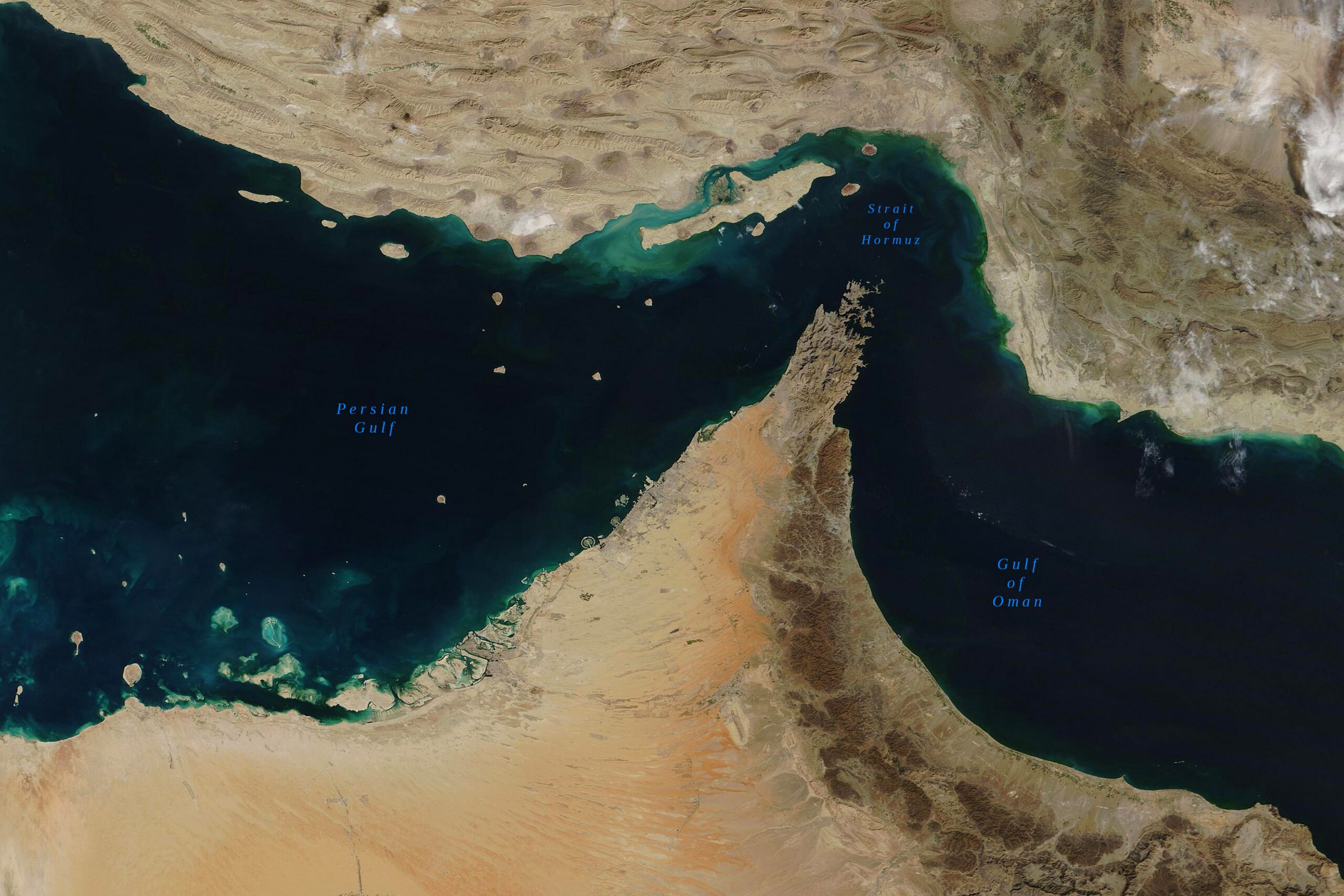
Ships are currently unable to pass the Strait of Hormuz in meaningful numbers, with commercial traffic reduced to a near-trickle following Iran’s reversal of a brief reopening in April 2026 and the escalation of hostilities with the United States[2][3]. The strait, which carries roughly 21% of global oil and 25% of LNG trade, has been effectively closed for 100 days—the first operational closure of this critical chokepoint in modern history[4][5]. Over 150 vessels remain stranded, war risk insurance premiums have surged to over 16 times normal rates, and daily economic losses exceed $4 billion as ships reroute via the Cape of Good Hope, adding up to 14 extra transit days[5].
Historical precedents for such closures are scarce, but the 2026 deadlock mirrors past geopolitical standoffs where routing uncertainty and sanctions fears suppressed transits even after ceasefire announcements[2]. Despite the US-Iran ceasefire on 8 April 2026, commercial shipping remains restricted, with only six vessels navigating the strait in a recent 24-hour window[2]. Comparable cases show that even when ports briefly reopen, security incidents and military activity can trigger immediate reversals, as seen when Iran closed the strait again on 22 April after a brief reopening on 21 April[5][7]. The current 89% YES probability reflects market confidence that IMF Portwatch will soon record a 7-day moving average of arrivals equal to or above 60, though recent data shows transits near zero against a normal of ~60 per day[5].
Traders should monitor announcements from the US Navy-led Joint Maritime Information Center, any progress in peace negotiations between Washington and Tehran, and whether Iran imposes tolls or mines that further block passage[2][3]. A recent Reuters report notes Iranian officials have suggested implementing a toll for ships, though payments to Iran for passage face sanctions risks for US persons and foreign entities under US control[2]. The US Strategic Petroleum Reserve offers a buffer, but prolonged disruption threatens global consumer prices, with US gas prices already rising over 30% in March due to the conflict[3][5]. Accessibility for this market is enhanced by “no-KYC up to $1,500” provisions, allowing retail traders to participate without identity verification, though German GlüStV and US CFTC regulations may impose additional compliance layers for larger or institutional participants.
Methodology
Methodologically we separate two layers: the live probability (Polymarket mid-price) and the platform attributes (fee, KYC, settlement currency, payment rails). The odds column is filled only where we have clean data — that avoids the made-up numbers that get a network demoted when search engines cross-check against the source venue.
Resolution & payout
Settlement runs on-chain. Polymarket's contract logic separates YES and NO shares as conditional tokens; at resolution the winning share lifts to $1.00 and the losing one to $0. The outcome input comes from the UMA Optimistic Oracle, which secures against bad resolution with a bond + dispute window.
Once finalised, the smart contract pays USDC to the holders' wallets within minutes — no withdrawal fees beyond Polygon network gas. Kalshi settles in USD via CFTC clearance, Betfair in account currency net of commission, Manifold in play-money mana with no cash-out.
FAQ
- Where can I trade this market with the lowest fees?
- On PolyGram, which mirrors the Polymarket order book at 0% fees. Kalshi charges up to 7% per trade; Betfair Exchange takes 2-5% commission on net winnings.
- Is this market available outside the US?
- PolyGram is available in most jurisdictions where Polymarket isn't directly accessible. Polymarket itself is geo-blocked in the US/UK/EU. Always check local regulations.
- What does it cost to trade on PolyGram?
- Zero. PolyGram routes every order to the live Polymarket order book; the only cost is the Polygon network fee, typically under $0.01 per transaction.
- How fast are USDC deposits?
- Polygon credits deposits after 12 confirmations — usually under 30 seconds. Withdrawals follow the same path and land back in your wallet within minutes.
- How reliable are the quoted odds?
- The YES/NO percentages are the live mid-prices of the Polymarket order book. On deep markets they move every few seconds; on thinner ones you'll see short plateaus.
%22%2F%3E%3Cpath%20d%3D%22M%206%2066%20A%2026%2026%200%200%201%2058%2066%22%20fill%3D%22%23E6B98D%22%20opacity%3D%220.9%22%2F%3E%3Ccircle%20cx%3D%2232%22%20cy%3D%2226%22%20r%3D%2222%22%20fill%3D%22%23F5CBA7%22%2F%3E%3Crect%20x%3D%2214%22%20y%3D%224%22%20width%3D%2236%22%20height%3D%228%22%20rx%3D%224%22%20fill%3D%22%237c3aed%22%2F%3E%3C%2Fsvg%3E) and
and%22%2F%3E%3Cpath%20d%3D%22M%206%2066%20A%2026%2026%200%200%201%2058%2066%22%20fill%3D%22%23E6B98D%22%20opacity%3D%220.9%22%2F%3E%3Ccircle%20cx%3D%2232%22%20cy%3D%2226%22%20r%3D%2222%22%20fill%3D%22%23F5CBA7%22%2F%3E%3Crect%20x%3D%2210%22%20y%3D%224%22%20width%3D%2244%22%20height%3D%2214%22%20rx%3D%227%22%20fill%3D%22%237c3aed%22%20opacity%3D%220.9%22%2F%3E%3Crect%20x%3D%228%22%20%20y%3D%2218%22%20width%3D%228%22%20%20height%3D%2218%22%20rx%3D%224%22%20fill%3D%22%237c3aed%22%20opacity%3D%220.7%22%2F%3E%3Crect%20x%3D%2248%22%20y%3D%2218%22%20width%3D%228%22%20%20height%3D%2218%22%20rx%3D%224%22%20fill%3D%22%237c3aed%22%20opacity%3D%220.7%22%2F%3E%3C%2Fsvg%3E)
Trade Strait of Hormuz traffic returns to normal by Decemb… on PolyGram
Live order book, 0% fees, USDC settlement in seconds.
Trade on PolyGram →